


Exploring the Legacy and Features of Bell and Howell 16mm Projectors

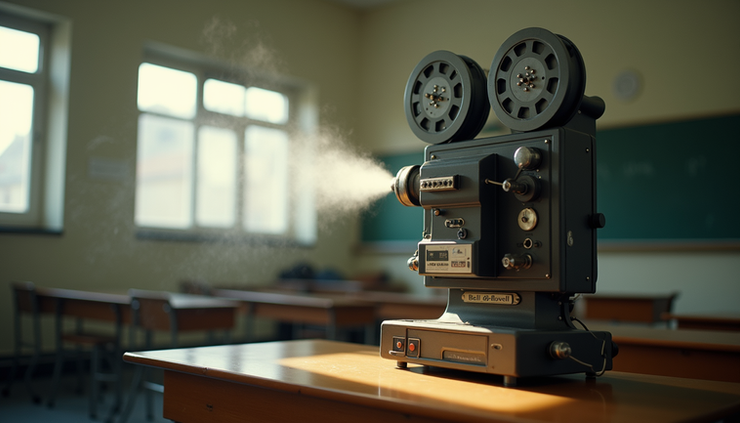
The Bell and Howell 16mm projectors hold a special place in the history of film projection. Known for their durability and quality, these projectors became a staple in educational institutions, film clubs, and even home theatres during the mid-20th century. Their legacy reflects a time when film was the primary medium for sharing stories, information, and entertainment. This post explores what made Bell and Howell 16mm projectors stand out and why they remain cherished by collectors and enthusiasts today.

The Rise of Bell and Howell 16mm Projectors
Bell and Howell began producing 16mm projectors in the 1920s, responding to growing demand for a more affordable, portable film format. The 16mm film format itself was introduced by Eastman Kodak in 1923 as a less expensive alternative to 35mm film, primarily targeting amateur filmmakers and educational users.
Bell and Howell quickly became a leader in this market by offering projectors that combined reliability with ease of use. Their models featured robust metal construction, which helped them withstand frequent use in schools and community centres. The company’s commitment to quality made its projectors a trusted choice for decades.
Key Features That Defined Bell and Howell Projectors
Several features made Bell and Howell 16mm projectors stand out from competitors:
Durability: These projectors were built with heavy-duty materials, such as cast aluminium and steel, ensuring long-lasting performance.
Precision Film Transport: Bell and Howell developed a patented Geneva drive mechanism that provided smooth and accurate film movement, reducing the risk of film damage.
Versatile Speed Settings: Many models allowed projection at different speeds, typically 16 and 24 frames per second, accommodating both silent and sound films.
Sound Capability: Later models included optical sound readers, enabling synchronised audio playback, which was a significant advancement for educational and entertainment purposes.
User-Friendly Design: Controls were straightforward, making it easy for non-professionals to operate the projector without extensive training.
These features combined to make Bell and Howell projectors reliable tools for film presentation, whether in classrooms or private screenings.
Impact on Education and Film Culture
Bell and Howell 16mm projectors played a crucial role in education. Schools used them to show instructional films, documentaries, and educational shorts, enriching the learning experience. The portability of these projectors allowed teachers to bring visual aids into classrooms easily.
In addition to education, these projectors supported the growth of film clubs and amateur filmmakers. The affordability of 16mm film and the availability of Bell and Howell projectors made film production and exhibition accessible to a wider audience. This democratisation of film helped nurture a deeper appreciation for cinema as an art form.
Collecting and Using Bell and Howell Projectors Today
Collectors and vintage technology enthusiasts prize Bell and Howell 16mm projectors for their craftsmanship and historical value. Many models remain functional and can be used to screen original 16mm films, offering a nostalgic experience that digital formats cannot replicate.
When handling these projectors today, it’s important to:
Inspect mechanical parts for wear or damage
Use proper film stock and threading techniques
Maintain lubrication on moving parts to ensure smooth operation
Restoring and operating a Bell and Howell projector can be a rewarding project for those interested in film history and vintage technology.

Digitisation
Digitising your old 16mm cine films preserves priceless memories before they deteriorate or become unwatchable. It also makes your footage easy to share with family and friends on modern devices. Converting to digital format allows you to edit, enhance, and organise your films for future generations. Final Cut Video Editing and Photos is the best company in the UK to handle this process professionally and ensure your films are restored with the highest quality.


Comments