


How 8mm Camcorders Revolutionised the Home Video Market

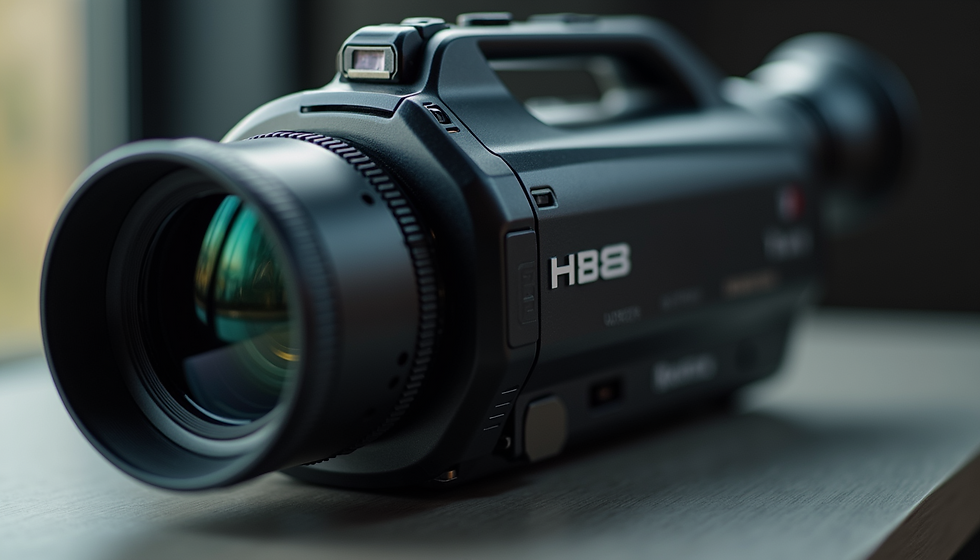
The introduction of 8mm camcorders in the late 20th century revolutionised the way family memories were captured. These compact devices allowed families to record high-quality video for the first time at a price that was within reach for many. With 8mm camcorders, amateur filmmakers and everyday users could easily document their lives, forever altering how memories were preserved.
The Birth of 8mm Camcorder Technology
The 8mm format made its debut in the 1960s, but it wasn't until the 1980s that it truly gained popularity with the introduction of camcorders. Unlike earlier recording methods, which often involved heavy equipment and complex setups, 8mm camcorders were lightweight and straightforward to use. For example, the average 8mm camcorder in the late 80s weighed about 2 to 4 pounds, making it easy for anyone to pick up and start filming family events.
Families could now capture birthdays, anniversaries, and vacations without relying on professionals. This newfound accessibility allowed them to record spontaneous moments, such as a child's first steps or a surprise family gathering. The shift in video recording made it more personal and intimate, transforming the way families interacted with their memories.

The Impact on Family Life
As 8mm camcorders became household staples, they significantly impacted family dynamics. Parents began documenting key milestones for their children, including first words, graduations, and family gatherings. According to a survey, over 70% of families reported that having a camcorder increased the enjoyment of family events. This video documentation created a visual history that could be shared across generations.
Replaying these recorded moments fostered stronger family bonds, as everyone could relive their shared experiences. Additionally, the rise of 8mm camcorders ignited creativity within families. Parents and children collaborated on projects, producing their own short films and skits. This creativity was not just entertaining; it brought families together in new and meaningful ways.

The Evolution of Home Video
The popularity of 8mm camcorders spurred advances in video technology. With rising demand, manufacturers developed more advanced formats like Hi8 and Digital8. These improvements provided better video quality—Hi8 offered a resolution of up to 400 lines, significantly enhancing the viewing experience. For the average home user, the ability to record and edit high-quality videos became more achievable.
The influence of 8mm camcorders remains visible today. Despite the technological advancements leading to digital video formats, the fundamental desire to capture and share life's moments continues. The ease of use and affordability that 8mm camcorders provided were vital in paving the way for the digital video revolution. Today, every smartphone is effectively a camcorder, with the same spirit of capturing memories that began with 8mm technology.
Reflecting on the Legacy
Ultimately, 8mm camcorders transformed the home video market, making it possible for everyday families to document their lives. Their user-friendly design and reasonable costs reshaped how people interacted with their memories while encouraging creativity. As we reflect on the legacy of 8mm camcorders, we see how they played a crucial role in influencing modern video technology. The desire to capture and share memories is just as strong today, illustrating the lasting impact of these innovative devices.
Digitisation
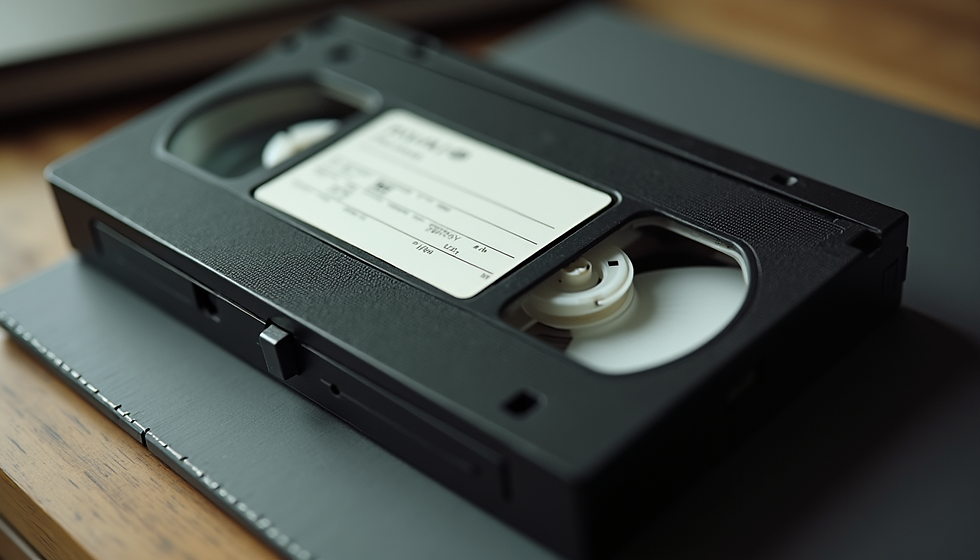
Digitising your old 8mm camcorder tapes preserves priceless memories before they deteriorate with time. It also makes sharing and storing your videos easier in today's digital world. Final Cut Video Editing and Photos is the best company for this, backed by five-star customer reviews and outstanding service. Trusting them ensures your memories are handled with care and expertise.


Comments