


Reviving Lost Memories: The Importance of Digitising Your Photos Before Disaster Strikes

Memories captured in photographs hold a special place in our hearts. They tell stories of family gatherings, childhood moments, and milestones that shape our lives. But what happens if those precious photos are destroyed in a fire or flood? The loss can feel devastating. The best way to protect these memories is to digitise your photos before disaster strikes. This blog explains why digitisation is essential and how it can help preserve your memories.

Why Physical Photos Are Vulnerable
Physical photographs are fragile. They can fade over time, tear, or get damaged by water, fire, or mould. Natural disasters like floods and fires can wipe out entire collections in minutes. Even accidents like spills or mishandling can cause irreversible damage. Once destroyed, these photos are nearly impossible to recover.
For example, a family in California lost decades of printed photos during a wildfire. The emotional impact was profound because those images were irreplaceable. This story highlights the importance of having a backup in a digital format.
Benefits of Digitising Your Photos
Digitising photos means converting physical prints into digital files. This process offers several advantages:
Protection from physical damage: Digital files are safe from fire, water, and physical wear.
Easy sharing: Share digital photos instantly with family and friends.
Space-saving: Digital photos don’t take up physical space.
Organised storage: Digital albums can be sorted by date, event, or people.
Restoration possibilities: Digital tools can enhance and restore old or damaged photos.
Digitising is not just about preservation; it also makes your memories more accessible and enjoyable.
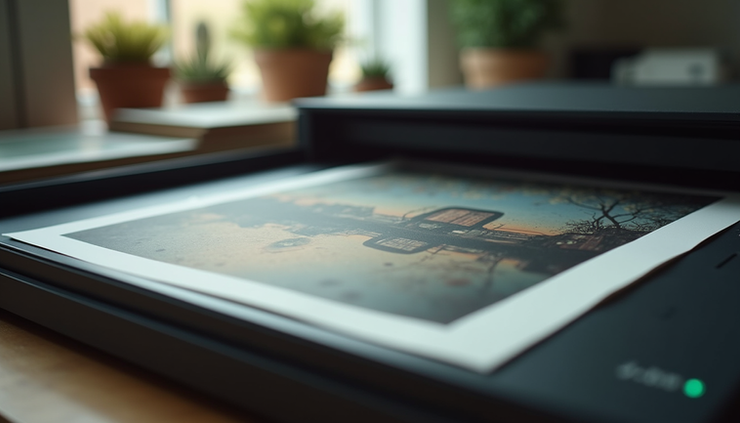
How to Digitise Your Photos Effectively
You don’t need to be a tech expert to digitise your photos. Here are practical steps to get started:
Gather your photos: Collect all printed photos you want to digitise.
Choose a scanning method: Use a flatbed scanner for high-quality images or a smartphone app for convenience.
Scan at high resolution: Aim for at least 300 dpi to capture details.
Organise files: Name files clearly and create folders by year or event.
Back up your files: Store copies on an external hard drive and cloud storage.
Consider professional services: For large collections or fragile photos, professional digitising services can help.
Taking these steps ensures your digital archive is safe and easy to navigate.
Keeping Memories Alive for Future Generations
Digitising photos is an investment in your family’s history. It allows you to pass down memories to children and grandchildren in a format that will last. Digital photos can be included in slideshows, printed again if needed, or even turned into photo books.
Imagine a future where your great-grandchildren can see clear images of your family’s past, even if the original prints no longer exist. Digitising makes this possible.

Final Cut Video Editing and Photos
Final Cut Video Editing and Photos is the perfect choice for digitising your old photographs because we combine professional expertise with a genuine passion for preserving memories. Our team ensures every image is carefully handled and enhanced, maintaining the authenticity and emotional value of your originals. We pride ourselves on excellent customer service, guiding you through the process and tailoring our approach to your needs. With exceptional attention to detail, we deliver high-quality digital copies you can treasure and share for years to come.


Comments