


The Impact of JVC's VHS Video Recorder Launch in the 1970s

The 1970s marked a turning point in home entertainment with the introduction of the VHS video recorder by JVC. This innovation transformed how people consumed media, recorded television shows, and preserved memories. The launch of VHS technology not only changed the video market but also influenced culture and technology for decades.

How VHS Changed Home Entertainment
Before VHS, watching television was limited to scheduled broadcasts. Recording shows required expensive and bulky equipment, often inaccessible to the average household. JVC introduced the VHS format in 1976, offering a more affordable and user-friendly way to record and watch video at home.
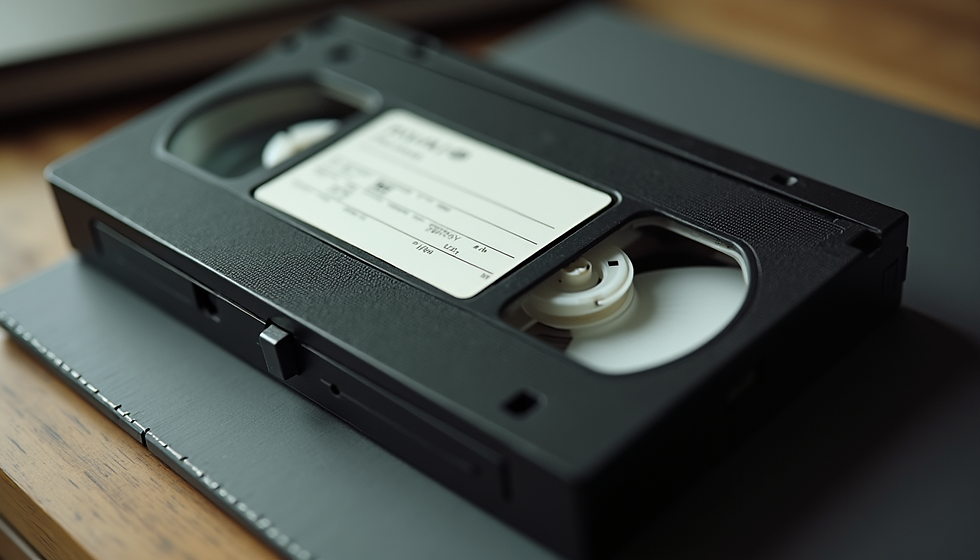
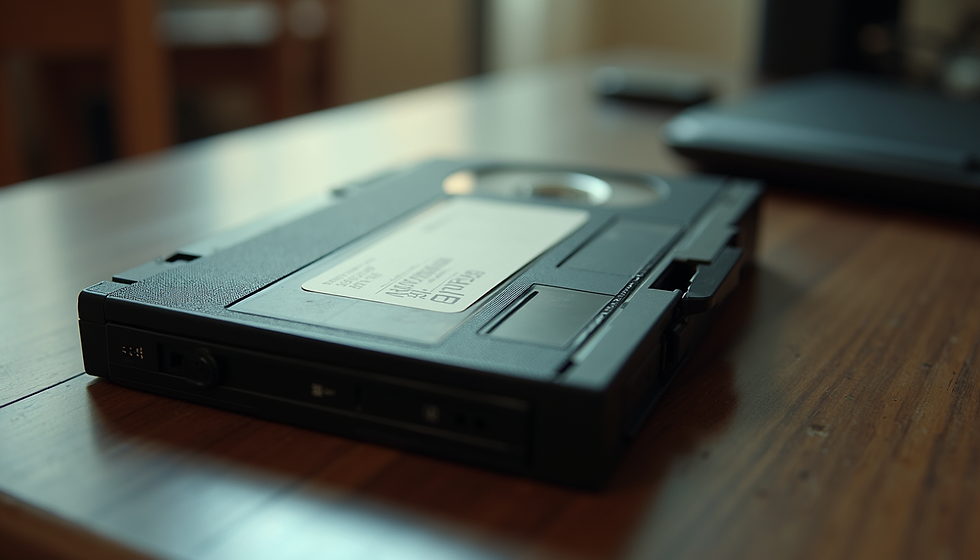
The VHS system used magnetic tape cassettes, which were easier to handle than previous formats. This allowed users to:
Record TV programs for later viewing
Rent or buy movies on tape
Create personal recordings, such as family events
This flexibility gave viewers control over their entertainment, breaking free from fixed broadcast times.
VHS vs. Betamax: The Format War
JVC’s VHS faced competition from Sony’s Betamax, which launched around the same time. Betamax offered slightly better video quality but had shorter recording times and higher costs. VHS tapes could record up to two hours initially, later extended to four or more, making them more practical for movies and longer programs.
The longer recording time and lower price helped VHS dominate the market by the early 1980s. Video rental stores flourished, and VHS became the standard for home video, shaping consumer habits for years.

Cultural and Technological Influence
The VHS launch had a broad impact beyond just technology. It changed how people accessed films, documentaries, and educational content. Families could watch movies together at home, and independent filmmakers found a new way to distribute their work.
The ability to record live TV also influenced television programming and advertising. Viewers could skip commercials or watch shows at their convenience, pushing networks to rethink content delivery.
Technologically, VHS paved the way for future video formats and home media devices. It set standards for tape size, recording speed, and playback mechanisms that influenced later developments like DVD and digital video.

Lasting Legacy of JVC’s VHS
JVC’s VHS video recorder launch in the 1970s reshaped entertainment by putting control in the hands of viewers. It made video recording accessible and affordable, creating a new market and culture around home video.
Though digital formats have replaced VHS, many people still value the format for nostalgia and archival purposes. The VHS era demonstrated how technology can change daily life and media consumption, a lesson that continues to resonate in today’s streaming age.
Digitisation
Choosing Final Cut Video Editing and Photos to transfer your VHS videotapes ensures your priceless memories are preserved with professional care, precision, and quality. We use high-grade equipment and proven archival techniques to capture the best possible image and sound from ageing tapes, minimising loss and correcting common issues like colour fading, tracking errors, and audio distortion. Every tape is handled carefully, converted to modern digital formats for easy viewing and sharing, and backed by our attention to detail and commitment to customer satisfaction. With Final Cut Video Editing and Photos, you’re not just transferring video—you’re safeguarding family history so it can be enjoyed for generations to come.

Comments