


The Decline of Cathode Ray Tube Televisions and the Rise of Modern Display Technology

Cathode Ray Tube (CRT) televisions once dominated living rooms worldwide. Their bulky design and curved screens were a common sight for decades. Yet, today, CRT TVs have nearly vanished from the market. What caused this sharp decline? The answer lies in the rapid development of modern display technology and changing consumer needs.

The Rise and Fall of Cathode Ray Tube Televisions
CRT televisions were the first widely available electronic displays for home entertainment. They use electron beams to light up phosphor dots on the inside of a glass screen, producing images. This technology was reliable and affordable for many years, making it the standard for TV manufacturers.
However, CRTs had significant drawbacks:
Size and weight: CRT TVs were heavy and deep, requiring large furniture to hold them.
Limited screen size: Most CRTs maxed out around 32 inches, limiting the viewing experience.
Energy consumption: CRTs used more power compared to newer technologies.
Image quality: While decent for their time, CRTs could not match the sharpness and colour accuracy of modern displays.
These limitations became more apparent as consumers demanded bigger, thinner, and more energy-efficient screens.
The Emergence of Flat-Panel Displays
The 2000s saw the rise of flat-panel display technologies such as LCD (Liquid Crystal Display), LED (Light Emitting Diode), and plasma screens. These offered several advantages over CRTs:
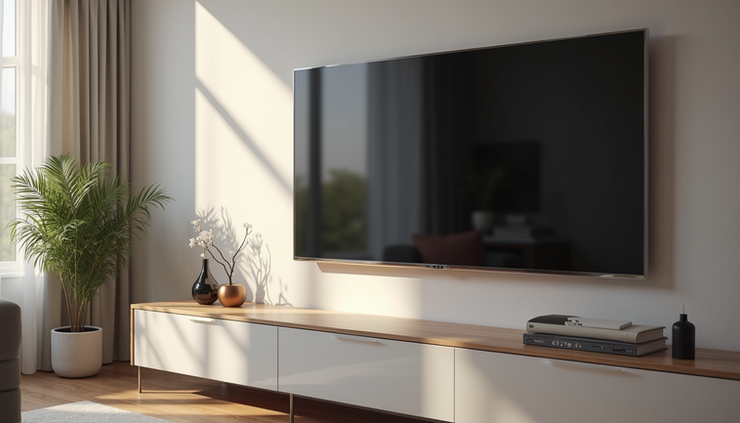
Slim design: Flat panels are lightweight and can be mounted on walls.
Larger screen sizes: Screens over 50 inches became affordable and common.
Better picture quality: Higher resolution, improved contrast, and vibrant colours.
Lower power use: More energy-efficient, reducing electricity bills.
Wider viewing angles: Clear images from different positions in the room.
Manufacturers quickly shifted production to these new technologies, and consumers eagerly adopted them. By the late 2000s, CRT TVs were no longer competitive.
Why CRT Televisions Disappeared
Several factors led to the end of CRT televisions:
Consumer preference: People wanted sleek, space-saving designs with bigger screens.
Technological advances: Flat-panel displays improved rapidly, offering better performance.
Manufacturing costs: Producing CRTs became more expensive as factories shifted to new tech.
Content changes: High-definition broadcasts and streaming services required higher resolution screens.
Environmental concerns: CRTs contain hazardous materials like lead, making disposal difficult.
These reasons combined to make CRT TVs obsolete. Retailers stopped stocking them, and manufacturers ceased production.

What This Means for Consumers Today
The shift away from CRT televisions opened the door to innovations in display technology. Today, consumers enjoy:
Ultra-high-definition (4K and 8K) screens
Smart TVs with internet connectivity and apps
OLED and QLED panels with superior colour and contrast
Curved and flexible displays for immersive viewing
While CRTs played a crucial role in the history of television, their decline reflects how technology evolves to meet changing needs. Understanding this transition helps appreciate the convenience and quality modern TVs offer.


Comments