


The Great Format War: How VHS Defeated Betamax and Changed Home Entertainment Forever

The battle between VHS and Betamax in the late 1970s and early 1980s shaped the future of home video entertainment. Both formats promised to bring movies and recorded television into living rooms, but only one emerged victorious. Understanding why VHS won out over Betamax reveals important lessons about technology, marketing, and consumer behaviour.
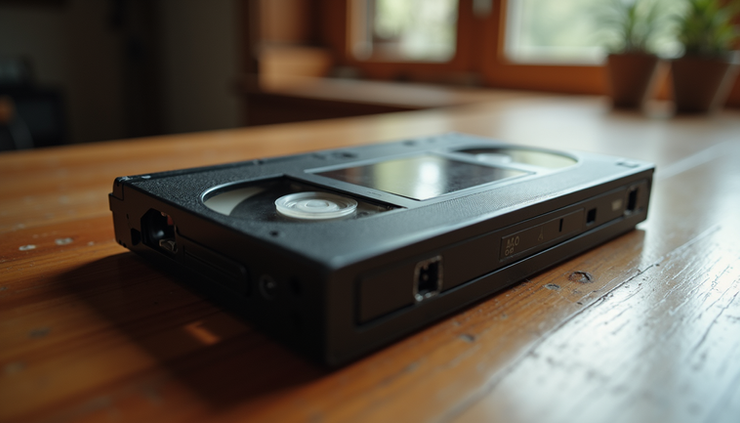
The Origins of the Format War
Sony introduced Betamax in 1975 as the first consumer videocassette format. It offered superior picture quality and a compact cassette size. Shortly after, JVC launched VHS (Video Home System) in 1976. Both formats aimed to capture the growing market for home video recording and playback.
Sony’s Betamax had a technical edge with better resolution and colour reproduction. However, VHS tapes could record longer programs—initially up to two hours compared to Betamax’s one hour. This difference mattered to consumers who wanted to record full-length movies or sports events without switching tapes.
Key Factors Behind VHS’s Victory
Several factors contributed to VHS becoming the dominant home video format:
Recording Time
VHS’s longer recording time matched consumer needs better. Watching a full movie or recording a sports game without interruption was a clear advantage.
Licensing Strategy
JVC licensed VHS technology to multiple manufacturers, creating a wide range of affordable VHS players and tapes. Sony kept Betamax proprietary, limiting availability and increasing prices.
Marketing and Distribution
VHS gained stronger support from movie studios and rental stores. More movies were released on VHS, and rental outlets stocked more VHS tapes, making it easier for consumers to access content.
Price and Availability
VHS machines and tapes were generally cheaper and more widely available. This helped VHS reach a broader audience, including budget-conscious buyers.
Consumer Perception
Despite Betamax’s better quality, consumers prioritised convenience and content availability. VHS became associated with practicality and value.

The Impact on Home Entertainment
The victory of VHS over Betamax had lasting effects on how people consumed media:
Home Video Rentals
VHS tapes became the standard for video rental stores, creating a new industry and changing how people watched movies at home.
Recording Television
VHS recorders allowed viewers to time-shift TV shows, watch on their schedule, and build personal libraries of favourite programs.
Standardization
VHS’s dominance set a standard for video playback, encouraging content producers to focus on this format and invest in home video releases.
Sony eventually stopped producing Betamax players in the early 2000s, marking the end of the format war. VHS remained popular until DVDs and digital formats took over.
Digitisation
Final Cut Video Editing and Photos provides a professional, reliable, and convenient way to preserve your precious memories by transferring VHS and Betamax videotapes to DVD or USB formats. Over time, old videotapes naturally deteriorate, causing fading picture quality, distorted sound, and even permanent data loss. By converting your tapes to modern digital formats, Final Cut Video Editing and Photos helps protect family videos, weddings, holidays, and other irreplaceable moments for future generations. Their high-quality transfer process ensures improved playback compatibility, easier sharing with family and friends, and secure long-term storage on DVD or portable USB drives. With expert care, attention to detail, and years of experience handling vintage media formats, Final Cut Video Editing and Photos makes it simple to bring your treasured memories back to life.


Comments